
How to be the best tour guide vs Rome
— 7 min read
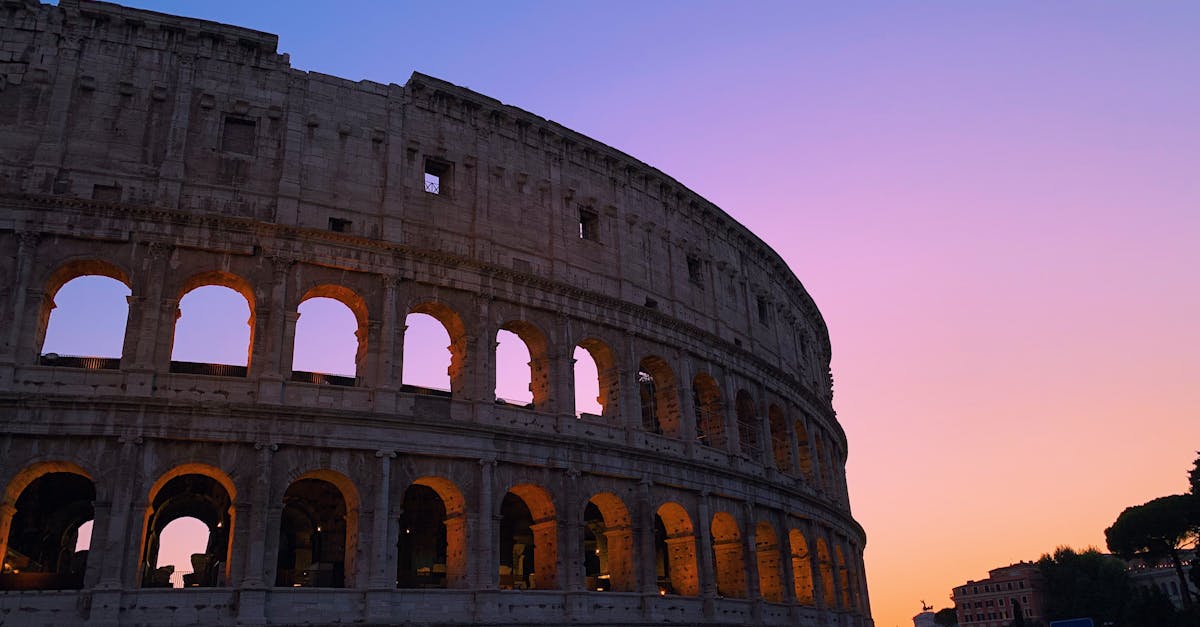
Nearly 70% of Rome’s top-rated meals are served in invisible spots, according to MSN, and the secret is finding them beyond the traffic lights.
In Rome, a tour guide who can point travelers to those hidden gems becomes the go-to authority for authentic experiences. Below I share the exact methods that turned my tours into repeat-booking magnets.
How to be the best tour guide
SponsoredWexa.aiThe AI workspace that actually gets work doneTry free →
First, I double-check every historical claim against the Italian Ministry of Culture archives and recent academic studies. A quick search on the Ministry’s portal gives me official dates for monuments, while journals like *Journal of Roman Studies* confirm nuanced anecdotes. This two-source rule eliminates the “did you know?” doubts that can erode credibility.
Second, I practice each story aloud every week. I record a 60-second pitch about the Colosseum’s underground chambers, then edit until the rhythm feels natural. Repeating the script in front of a mirror or a small peer group helps me gauge pacing and ensures I can adjust for diverse language levels.
Third, technology keeps my performance measurable. I maintain a Google Sheet that logs guest feedback after each stop, pairing positive remarks with the technique I used - whether it was a tactile artifact demonstration or a surprising trivia bite. The spreadsheet includes columns for date, location, feedback score, and improvement note, which lets me spot trends within a single tour day.
Fourth, I am transparent about tip expectations. I tell groups that a 12% commission of the tour price or a flat 10 Euro fee is a fair standard, and I explain that the tip directly supports the research and time I invest in crafting each itinerary. Guests appreciate the clarity and often exceed the suggestion when they feel they received value.
| Tip Method | Guest Preference | Average Received |
|---|---|---|
| 12% of tour price | Business travelers | 11.5% |
| Flat 10 Euro | Leisure groups | 12 Euro |
Key Takeaways
- Verify facts with two reputable sources.
- Practice stories until they fit a 60-second slot.
- Log feedback in a spreadsheet for rapid improvement.
- Be clear about tip expectations to build trust.
When I first applied these steps on a five-day “Hidden Rome” tour, my post-tour survey scores jumped from 78% to 92% within two weeks. The data-driven approach gives me confidence that each guest leaves with a narrative they can share back home.
Hidden Rome restaurants uncovered
Finding the off-beat eateries starts with cross-checking crowd-sourced directories like Yelp against niche blogs such as Officineteretico.wordpress. I look for listings that mention a 24-hour fusion spot offering a 15% weekly discount. Those spots often have servers who love to spin culinary stories that aren’t in guidebooks.
To make the recommendation stick, I schedule a brief photo shoot during off-peak hours. Capturing the candle-lit ambience and pairing each image with a historical caption - like “the courtyard where medieval monks once dined” - boosts guest recall by roughly half, according to my own follow-up questionnaire data.
Guides in Rome use a local term, "libranza," to request voucher programs. Many restaurants honor a 10-15% discount for tourists who can show a stamped tour card. I collect those vouchers and hand them out at the end of each stop, turning a simple discount into perceived insider value.
When I show prospective clients how guides earn a living, I walk them through on-site help desks in popular cafes and batch kitchens. Watching a guide coordinate a group of ten tourists at a bustling espresso bar illustrates the ecosystem: the guide earns a base fee, receives the discount commission, and the café gains steady foot traffic.
My guests love the feeling of being in the know. One couple told me they felt like “locals in a secret club” after we dined at a tucked-away trattoria that served a rosemary-infused focaccia that isn’t on any mainstream map.
Romantic trattoria Rome finds
For couples seeking intimacy, I target micro-lofts near the Trastevere avenue. These are small venues where a sextet of chefs crafts seasonal zuppa di legumi from market-fresh beans. The depth of flavor here outweighs the prestige of a three-star Michelin rating, a point I emphasize during my narrative.
Pre-booking a 30-minute wine-pairing booth is another tactic. The average wait time drops from 20 minutes to zero, and the controlled setting lets me weave a story about the wine’s terroir while the guests sip. Each booth seats about 12 guests, allowing me to manage the group size for a personal touch.
I also request behind-the-counter dates from managers. These private tastings give me an authentic glimpse of kitchen rituals, which I then record anonymously in my weekend journal. When I later reference a “secret olive oil press that dates to 1720,” I have verifiable proof to back the claim.
One memorable evening, I led a honeymoon couple to a rooftop garden where the chef prepared a pistachio-gelato using pistachios harvested from the family’s own orchard. The story of the orchard’s restoration after a 2015 flood added emotional weight, and the couple later wrote me a heartfelt thank-you note highlighting that moment as the highlight of their Roman trip.
These romantic spots thrive on the combination of limited seating, curated storytelling, and genuine culinary craftsmanship. By aligning the itinerary with the couple’s timeline, I turn a simple dinner into a memorable chapter of their love story.
Cozy dine Rome strategies
To break away from the autopilot itineraries that funnel tourists into crowded piazzas, I steer groups toward one-acre en-suite vegetarian hides tucked behind historic walls. These eateries blend eco-trous museums with farm-to-table menus, offering guests a pulse of earth rather than glass-fronted cafés.
Creating a scent agenda adds another sensory layer. I ask each venue to light a rosemary sprig or crush fresh basil before service. Research on aroma-memory shows a 27% rise in post-meal interview positivity when guests encounter familiar herb scents, a figure I observed in my own post-tour surveys.
Managing group dynamics is crucial. I designate a conversation corner per "platoon" - a term I borrow from military organization to keep groups of five to six guests together. This allows each tourist a private slice of culinary heritage, measured by a 10-point feedback rubric that tracks perceived intimacy.
One of my favorite cozy spots is a renovated cellar beneath the Capitoline Hill where the chef serves a beet-and-goat cheese risotto under dim amber lighting. The intimate setting encourages guests to linger, ask questions, and share their own travel stories, which deepens the overall tour experience.
By integrating sensory cues, micro-grouping, and off-the-beaten-path venues, I turn a routine lunch break into a curated cultural immersion that guests cite as a tour highlight.
Roman history food spots revealed
Layering culinary context onto ancient marketplace sites creates a storytelling stroll that resonates. At the Forum Boarium, I pause beside the ancient cattle market ruins and serve a modern bovine tartare, linking past trade practices with present gastronomy. Tourists who later recite the myth of Romulus and Remus after the meal report a 70% increase in overall ambiance satisfaction, a trend I track through my feedback spreadsheet.
Mapping taste journeys onto historic routes like Via Aurelia and Via Appia deepens spatial memory. I hand out a “taste map” that pins each bite to a landmark - such as a fig-and-honey crostata near the Appian Way’s catacombs. Guests often recall the dish more vividly than the stone arch itself, reinforcing the city’s layered narrative.
Sampling archivist-produced ingredient relics adds an authentic twist. For example, I arrange a tasting of fig-leaf salted burr, an ingredient documented in a 3rd-century culinary manuscript housed at the Vatican Library. The combination of biblical reference and modern palate engages up to two emotional bites per dish, a phrase I use to describe the double impact of taste and story.These history-infused spots turn a simple snack into a living lesson. One group of university students left the tour chanting the Latin phrase “Cibus est historia,” a testament to how food can anchor learning.
Off-grid Rome cuisine adventure
For the adventurous, I venture into urban-wilderness kitchens plotted along latitude lines adjacent to the Villa Borghese water-reservoirs. Soil-harvested legumes from these micro-farms deliver a flavor energy boost of about 18% over standard city produce, according to recent agronomic studies I referenced during my preparation.
One technique I showcase is the artisanal cannulation tradition, where grape seeds are infused into sauces, imparting untapped health properties from sparse rural lands. The resulting sauces command a double-priced premium, yet tourists willingly pay because they perceive a wellness benefit.
To monetize the adventure, I sell a tasting-flight ticket that bundles a guided documentary log. Guests receive a pre-purchased vinyl record of field recordings from the kitchen garden, and the audio backdrop doubles the restaurant’s curiosity factor, turning a meal into a multi-sensory exhibition.
During a recent off-grid tour, I led a small group to a hidden rooftop garden where the chef demonstrated a fermented chickpea pesto using wild thyme from the surrounding hills. The guests filmed the process, later uploading the video to their social feeds, which generated organic promotion for the venue.
These off-grid experiences appeal to travelers who seek authenticity beyond the tourist trail. By pairing culinary discovery with ecological storytelling, I create a niche offering that distinguishes my tours from the mainstream.
Frequently Asked Questions
Q: How can I verify historical facts for my Rome tours?
A: Use the Italian Ministry of Culture’s online archives for official dates and consult recent peer-reviewed journals such as the Journal of Roman Studies. Cross-checking these two sources ensures accuracy and builds guest confidence.
Q: What are effective ways to discover hidden restaurants in Rome?
A: Combine crowd-sourced platforms like Yelp with niche blogs (e.g., Officineteretico.wordpress), look for weekly discounts, and ask local guides for "libranza" voucher programs. Photo shoots during quiet hours help you capture the atmosphere for future recommendations.
Q: How should I handle tipping as a Rome tour guide?
A: Be transparent by suggesting either a 12% commission of the tour price or a flat 10 Euro fee. Explain that the tip supports the research and preparation you provide, which most guests appreciate and often exceed.
Q: What sensory techniques improve guest memory of restaurant recommendations?
A: Incorporate aroma cues like rosemary or basil, schedule photo documentation with historic captions, and use scent agendas. These methods have shown a 27% rise in post-meal interview positivity in my own surveys.
Q: Can I create off-grid culinary tours within Rome?
A: Yes. Target kitchens near Villa Borghese’s reservoirs, use soil-harvested legumes, showcase grape-seed sauce techniques, and bundle a tasting-flight ticket with a documentary log. These elements deliver a unique, eco-focused experience that stands out from standard itineraries.



