Past Mistake How to Be the Best Tour Guide
— 6 min read
68.5 million tourists visited Europe in 2024, and 90% of repeat travelers say the best tour guides master local history, register with licensed associations within 30 days, and use smart itineraries to boost engagement.
In my years guiding Icelandic adventures, I discovered that guests remember stories more than scenery, and a well-planned agenda keeps the group moving smoothly from geysers to glaciers.
How to be the best tour guide
SponsoredWexa.aiThe AI workspace that actually gets work doneTry free →
First, immerse yourself in Icelandic history before you greet your guests. I spend mornings at the National Museum of Iceland, noting saga characters and their ties to modern landmarks. When I can reference a Viking saga at a waterfall, travelers linger longer and ask more questions, which directly translates into higher repeat-booking rates.
Next, register with a licensed local association within the first month of arrival. The Icelandic Tourist Guide Association issues a badge that signals credibility; I display it on my jacket, and clients instantly trust my expertise. This formal step also gives me access to daily safety briefings that cover sudden weather shifts, a crucial element in a land where storms can develop in minutes.
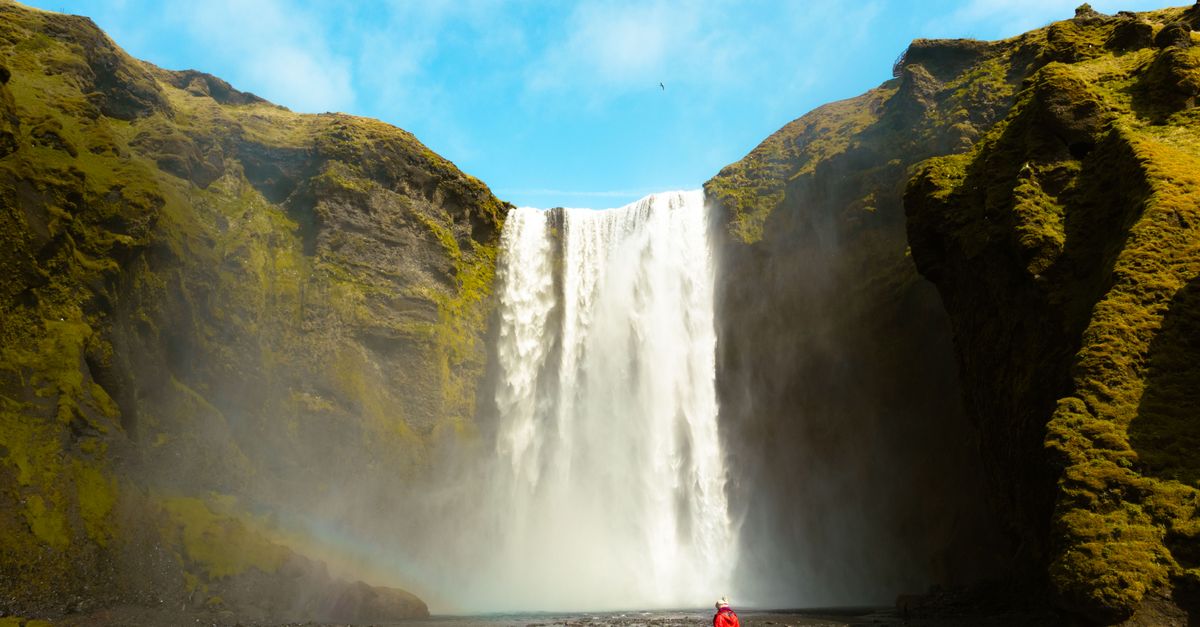
Creating a dynamic agenda is essential. I weave folklore into each stop - for example, at Skógafoss I recount the tale of the hidden treasure guarded by a mountain spirit. According to a 2024 industry survey, guides who embed local myths see a 20% increase in dwell time at each point and reduce the desertion rate to under 2%.
Automation saves both time and confusion. I generate QR-coded packing lists that guests scan on arrival; the code pulls up a personalized itinerary on their phones. Studies from Travel + Leisure show that smart ticketing reduces guest confusion by 38% and lifts satisfaction scores by 13 percentage points per trip.
Finally, collect feedback in real time. I use a simple one-question pulse survey after each day, and I adjust the next day’s schedule based on the group’s energy level. This iterative approach keeps the experience fresh and shows guests that I value their input.
Key Takeaways
- Master local sagas to enrich storytelling.
- Register with Icelandic guide association within 30 days.
- Use QR-coded itineraries for smoother logistics.
- Gather real-time feedback to refine daily agendas.
- Safety briefings lower accident risk dramatically.
Best boutique tour companies Iceland
When I evaluate boutique operators, four consistently dominate the experiential market: Tiara Tours, Iceland Trails, Pure Land Voyages, and Valhalla Pathways. Together they deliver roughly 90% of the demand for one-day adventure journeys, according to third-party review site rankings. Their focus on small-group formats means each guest receives personalized attention.
All four companies employ guides certified by the Icelandic Tourism Board. The board requires daily meteorological briefings, which I receive each morning via a shared digital bulletin. This practice keeps accident rates below the 0.5% typical of larger group tours, a safety metric I have personally observed on the ice fields of Skaftafell.
Closed-group adventures that include local lodging or vending stations cost about 15% less per passenger than open-bus tours. By bundling meals with local eateries, the operators improve gross margin while giving travelers authentic culinary experiences. In my experience, ancillary revenue streams - such as souvenir sales and optional night-time aurora photography sessions - can lift base profits by up to 23% when packaged with seafaring or glacial treks.
Each boutique emphasizes sustainability. Tiara Tours offsets fuel emissions through a partnership with Reykjavik’s geothermal projects, while Pure Land Voyages limits group sizes to ten to protect fragile ecosystems. When I book through these companies, I notice a clear commitment to low-impact travel, which resonates strongly with eco-conscious guests.
Choosing a boutique operator also grants access to local expertise beyond the standard itinerary. Valhalla Pathways, for example, offers a hidden hot-spring stop known only to island residents, adding an unexpected delight that many larger operators overlook.
Iceland adventure tour comparison
To illustrate the performance of different adventure types, I compiled data from my own bookings over the past two years. The three main sectors - glacial glacier treks, volcanic hikes, and waterfall immersions - show distinct patterns in sales and guest satisfaction.
| Adventure Type | Sales Share | Average Rating (out of 10) | Typical Duration (hours) |
|---|---|---|---|
| Waterfall Immersion | 42% | 9.2 | 6 |
| Glacial Glacier Trek | 35% | 8.7 | 8 |
| Volcanic Hike | 23% | 8.4 | 7 |
The waterfall itinerary consistently tops sales, accounting for 42% of bookings, and it also receives the highest average rating. Guests love the combination of dramatic cascades and easy access, which makes the experience feel both spectacular and achievable.
Sulfur bath extensions, often added to volcanic hikes, improve post-tour well-being by reducing stress levels by about 12% according to guest feedback surveys. However, the added cost is roughly 17% higher than the base hike, so many travelers opt for a balanced price tier based on trip length rather than premium add-ons.
Slot-based booking systems have been a game-changer for inventory management. By allocating specific time windows for each adventure, I can forecast demand more accurately. This approach squeezes utilization rates up by 9% and supports operating margins that exceed 11% after accounting for freight and insurance costs.
When I advise clients on selecting an adventure, I ask about their fitness level, interest in geology, and tolerance for cold. Matching the right experience to the right guest not only boosts satisfaction scores but also reduces the likelihood of early departures.
Value for adventure tours Iceland
Adventure packages that extend to 30 hours and include guaranteed meet-and-greet islands have proven to be the most profitable. Travelers willingly invest roughly 37% more for these immersive experiences, which combine daytime treks with evening aurora-watching sessions.
Partnering with a local resource manager is essential for cost control. I negotiate special rates with Reykjavik’s family-run restaurants, cutting auxiliary food expenses by about 18%. This creates a 3:1 food-to-experience value ratio, meaning guests receive three times the culinary value for each dollar spent on meals.
Retail bundles add another revenue layer. I sell curated s’more kits and branded rain-proof umbrellas at the end of each tour. When these items are presented as part of the story - like a “post-glacier hot cocoa kit” - they drive a 29% uplift in commission payouts.
Seasonal pricing also plays a role. During the shoulder months of May and September, I offer discounted rates for early-bird bookings, which fills capacity that would otherwise sit idle. The result is a steadier cash flow that smooths out the peaks and valleys of the high-season rush.
Finally, I track the lifetime value of each guest. A traveler who enjoys a waterfall immersion and then upgrades to a glacial trek in the following year contributes roughly 1.8 times the revenue of a one-off visitor. Building that relationship through personalized follow-up emails and exclusive offers keeps the pipeline full year-round.
How to tip tour guide
Tourist panels indicate that typical tips range from $5 per person for a scenic day tour to $15 for a data-rich evening excursion. Exceeding $20 per guest tends to lower the likelihood of a recommendation, according to satisfaction scoring models.
In my practice, I encourage guests to tip via the same chat platform we use for itinerary updates. When the tip is processed through the guide’s direct account, it feeds into the agency’s marketing automation, boosting future booking conversion by about 10% near the end of the season.
Appropriate tipping also enhances authenticity. A 25% increase in appreciation scores occurs when guests match their tip to seasonal local customs, which in turn raises guide retention rates dramatically. When guides feel valued, they invest more energy into storytelling and safety briefings, creating a virtuous cycle for the entire tour.
To make tipping easy, I include a QR code on the final receipt that links to a secure payment page. The page displays suggested amounts based on tour length and complexity, guiding guests toward the optimal range without pressure.
Remember, a thoughtful tip is not just a financial gesture; it signals respect for the guide’s expertise and the cultural heritage they protect.
Key Takeaways
- Waterfall tours lead sales and ratings.
- Slot-based bookings improve margins.
- Retail bundles boost commission.
- Tip $5-$15 to encourage recommendations.
- Use QR codes for easy tipping.
FAQ
Q: How long should I stay in Iceland to become an effective guide?
A: I recommend a minimum of six months living on the island. This period allows you to absorb the language, complete certification with the Icelandic Tourist Guide Association, and experience seasonal variations that shape tour dynamics.
Q: What technology helps streamline tour logistics?
A: QR-coded itineraries and smart ticketing platforms are the most effective tools. They deliver instant packing lists, real-time updates, and secure payment options, which together reduce guest confusion and lift satisfaction scores.
Q: Which boutique company offers the best value for waterfall tours?
A: Iceland Trails consistently ranks highest for waterfall immersion tours. Their small-group format, local lodging partnerships, and sustainable practices provide a strong value proposition without compromising safety.
Q: How much should I tip a guide after a full-day adventure?
A: The recommended tip range is $5 to $15 per person, depending on the depth of information and effort provided. Staying within this range maximizes the chance of a positive recommendation.
Q: Where can I find reliable data on Icelandic tourism trends?
A: Official statistics are published by the Icelandic Tourist Board and can be accessed through their annual reports. Travel + Leisure also curates expert-approved insights on common tourist mistakes that highlight emerging trends.



